6:40
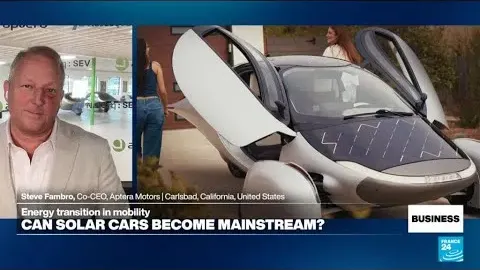


Welcome to the Vergecast, the flagship podcast of swoopy cars. I'm your friend David Pierce, and here's a tiny little bit of inside baseball podcast shenanigans. I have been making more and more video stuff over the last couple of years. Podcasts are shifting to videos in ways that frankly I continue to be deeply conflicted about. I am mostly an audio podcast consumer. I spent most of my career making audio podcasts and learning how to do this thing on video in a way that is both video first and audio first has been really interesting and really challenging. It has also meant that the way my home office looks is very important. Um, I want you to understand if you're watching this,
every single thing in this room that you can't see is a mess. There's a giant shelf full of just unordered crap over there. There's a bunch of bubble wrap over here from a thing that I was taking out. There's a giant load of clean laundry right on the other side of the camera. There's just a lot going on. But the newest thing is we're also spending a lot of time making more clips out of our shows because that is the main way people find stuff now is through clips on their feeds. I think that is increasingly just a kind of content, but it is also a way that people discover our shows. So, thinking more about clips, what that has meant is that I have to sit further back from the camera
because otherwise we get a lot of social videos that are just like my face sort of smooshed into the screen and it's like I'm yelling at you out of your phone. The solution is I have to sit further back so there's more room to crop around my face. Um, which has just led to some hilarious furniture decisions. Like I bought what I would call like a fancy TV dinner tray table. This is the sort of thing you're supposed to, you know, put next to your couch or in front of you so you can work. I now have it sitting in front of my desk at the exact height. So, I can sit further back but still use a mouse
and keyboard. Um, this is, I guess, my new podcast setup. I have my desk and then I have my tiny desk and then I have my chair and there are zero inches of space between the chair and the background. This is what we do to make video podcasts. Luckily, I bought a really great microphone arm that moves around so that has made life easier. Anyway, hopefully this all looks good and sounds good and this is going to be a great podcast. We are going to do two things on today's show. First, Tim Stevens, a freelance tech and automotive journalist who writes for The Verge a Lot, is going to come on and talk to us about AI design in cars and the ways in which AI
might be able to shrink the amount of time it takes to make cars and all the things that might change about cars. Then Hayden Field is going to come on and talk all about just some of the goings on in the AI business. There's a lot happening, a lot of fastoving stories, whether it's Claude versus Codeex, whether it's Anthropic versus the US government. Hayden and I just have a lot to catch up on. We're going to do that. Then Hayden's going to stick around and talk about AI and job loss and whether those two things actually have anything to do with each other. Really fun hotline question. Excited to get to that. All that is coming up in just a second. But first, I have to
figure out how to have my keyboard and my mouse on this thing because I'm realizing this tray table I bought too small. Huge mistake. Wish me luck. This is the Vergecast. We'll be right back. All right, we're back. Tim Stevens, freelance automotive and tech journalist, frequent Verge contributor. Welcome back to the Vergecast. Thanks for having me, David. The last time you were here, we talked about the Slate Truck and essentially lit the world on fire. Yeah. Um, we're going to talk a little bit about the slate truck at the end because I feel I feel obligated to catch people up on
this weird truck that has no features and everybody wants anyway. But mostly I want to talk about a story you wrote about AI and especially how AI is changing car design. Um, but I think the place we need to start is a little bit of a primer on how car design has worked until now because I think this is a really fascinating case for both the good and potential bad of AI. But we should understand how cars actually get made in the first place. And you made me realize that it is a much bigger and longer process than even I understood. So give me the quick sort of kindergarten level how a car gets made kind of story.
Yeah. I mean, usually it starts with a sketch or a series of sketches. There'll be kind of a product design brief that comes from the business saying, "Hey, we need a car that's got two doors, four doors, uh, you know, seats this number of people, can do this sort of thing." Um, designers start sketching. U, people will give them a thumbs up or thumbs down. They start to move forward. There's usually a couple of different concepts, but they've moved from paper sketches to digital sketches to 3D models. Uh, you know, at some point someone will carve the thing out of clay to make sure it actually looks good in
the real world. There's usually some level of virtual reality design, but ultimately most designers still like to see the physical thing in action. So, they'll carve small models in clay. If that looks good, they'll move it into a full scale clay. And then at that point, they'll start to do wind tunnel testing, engineering testing, virtual crash testing. There's a whole lot of series of steps that need to come together to before that thing can enter production and that whole process can take upwards of five or six years which is pretty remarkable. So you know the nextG amazing new technology cars that are hitting the roads this summer were in production in design and development in
the early 20 2020s you know back around when CO was still going on. So, it's an amazingly long and detailed process which makes it really hard for product planners to really kind of foresee where the market is going to be in five or six years. And it's a really huge challenge right now for all the manufacturers because things are changing very quickly right now. Yeah. So, that was one of the things actually that surprised me the most is how long this whole thing takes because, you know, I'm I'm used to gadgets and stuff where I would say the product cycle beginning to end tends to be like 18 months, maybe 2 years on a cycle. Um, and that has its own challenges, right?
Forget five or six years. I mean, give me a sense of what that looks like in practice. Like when you look at cars now, what do you see that is sort of 2020 and 2021 that now feels kind of anacronistic? Yeah. I think on one hand, we see a lot of manufacturers pulling back from EVs, which were really looking poised to kind of take over the market back in 2020. Uh, you know, there's a lot of enthusiasm and excitement. We had regulations in Europe and elsewhere that were saying that internal combustion was going to be dead by 2030. Um but now of course all those things are being rolled
back. We're seeing a lot of anti-EV initiatives here in the US. And that I think is a big thing. We're seeing manufacturers having to pivot, right? But we're also seeing, you know, these heavy touch focused interfaces that were all looking very trendy, you know, four or five years ago. Um and now we're seeing more and more people saying, "Hey, you know, I actually really like having a volume knob in my car. I like having a couple of buttons in there." Uh so we're seeing manufacturers pulling back from that as well. Um and you know this is a huge challenge for the manufacturers because for a long time cars were pretty stable. There weren't really that much of a change from one year to the next. U but now we're really expecting these major
leaps forward in terms of technology in terms of features. Um and that's something that they're struggling with. Okay. And you've talked to some people about how AI is coming into this process. And it seems to me there are two ways if you're a car company you could think about AI. You could say we have this process that works but it takes five or 6 years. Can we maybe use AI to just vastly shrink that period of time? Or you're saying can we like in the way that you know Deep Mind is out there using AI to invent new proteins? Are you GM and you're like what wild car ideas has no one ever had that AI can come up with? Uh it seems like you got mostly the former and maybe tiny glimmers of the latter. Yeah, I think by
and large designers are not really ready to give up the creative uh insight into these vehicles. So, by and large they're looking for areas to improve the process. So, right now we're seeing examples of GM doing things where they're taking a sketch and turning that into a 3D model via AI rather than hiring someone to go through a um a 3D modeling suite. Uh they'll feed it over to AI, a couple different angles of a sketch and bam, they have a 3D model back out in five minutes. Whereas these take a couple of weeks for a designer to do that kind of thing. stuffs like that can really help to speed up the process and help to pull that you know five six year process into maybe you know three years which is
really what they're focused on right now. We are though seeing some interesting approaches where they are trying to do more generative AI in terms of new approaches for um 3D designs when it comes to improving aerodynamics of components for example and also we're seeing some AI design when it comes to battery chemistry engineering as well. You know there's a lot that goes into the battery chemistry of an EV in terms of cathode and anode design. different compositions of those materials can have very interesting different effects on the charging speed, on the lifetime of the battery, temperature sensitivity, things like that. And it's the kind of things where you have a lot of different
permutations and can take a long time to test those different things. If you can feed all that into uh some kind of a machine learning algorithm, uh it can spit you back some options pretty quickly without you having to build 20 different batteries and run them all through your testing procedures. So, the way it has worked, if I'm understanding this correctly, is like I build, let's say, one version of one component, right? I'm I'm trying to figure out drag on one part of the car. I build a version of it. I put it in the wind tunnel. Uh, which as a budding Formula 1 fan, I've learned are like very big and expensive and important powerful things.
Sometime you're going to come on, we're going to do a whole episode about wind tunnels. I'd love to, but we'll save that. um you run it, you get a bunch of data, you go you build a very slightly different one, you run it again, you get a bunch of data sort of over and over until you have exactly the one that you want. Right. What an unbelievably manual process. Like is this I guess what I'm wondering in this front is this the sort of thing car companies have been doing forever because there just hasn't been a better way to do it or because there is something you know slowm moving and slow to change about car companies that maybe they could have made this work faster. Like I think about this run in the tech industry where everybody went from uh we
make all of our models in China to we have a room full of 3D printers in our office and it was that to me sounds a little bit like the same thing you're talking about where you go from my the distance between I have an idea and I can hold that idea in my hands goes from literally 2 weeks on a boat to 15 minutes in a 3D printer. And I have to assume car companies have resources like this. So what why has this been so sort of resistively slow and manual a process? There have definitely been improvements on that front. Competitional fluid dynamics for example which is another big thing in Formula 1 2 which is the ability to simulate wind tunnel runs effectively. Um and that has definitely sped up that process. You don't
necessarily have to create a 3D model for everything. They do like to do actual models in wind tunnel testing just to make sure that everything is right. But typically they'll do a few rounds of competitional fluid dynamics. But that typically takes you know a big supercomputer it takes specialized training. It takes weeks to even run those simulations sometimes. And so what this AI stuff can do there's a company called Neuro Concept for example that's working on basically bringing that kind of computational fluid dynamics into AI to be able to simulate those runs in minutes that would typically take hours and hours on a supercomput. So that is another step that they're being able to bring that in make that process more quickly. Uh and
it's still you know a manual process. It's still taking time. You still have to do the iterations but because they can speed that up even more quickly. They can go back and forth iterate more quickly. I don't think there's really been a resistance on the case of manufacturers. They're pretty eager to try these technologies out. There is still, you know, an adherence to the old school ways of sculpting clay models and seeing them in the actual sunlight. Um but that has been pushed a little bit further down. They make fewer clay models than before. Um, and that's again helping them to speed up the process.
I don't think I understood until I read your piece that there's a part of this process where they make one to one full size clay models of cars. That is nuts, man. It's like a piece of engineering to try and make a car. What a huge artistic undertaking to undergo every single time. Yeah, it is pretty incredible. And I've seen them kind of coming together in the amount of work that's entailed and there's a lot of artistry in that and some of that is going away as well. You know, there are now a 3D milling machine so you can basically put in a 3D model and have a full-size clay model come out of that. There's still a lot of hand tuning and tweaking that needs to be done. Um, a lot of painting still that's
done by hand as well to make those things look like um real things. But often times when you see a concept car roll out for the first time on stage that's actually made of clay. It's not actually made of metal. You might be able to roll it around on the stage, but there's no engine in there. There's no interior in there. It's basically a big hunk of clay built around a frame. And uh it's an amazing piece of artwork. Really is. That's not being lost, but it certainly is a little bit less common than it used to be. Yeah. So, I think there is a certain tension in the stories people are telling you about AI between this kind of art and science, right? Where it
seems like on the one hand, I can't imagine there would be that many people resistant to the idea of doing fewer wind tunnel tests, right? It's I think there's a lot of this stuff that is sort of pretty clearly not the work I want to be doing. It is the work I have to do in order to do the work that I want to be doing. Uh and that's the sort of thing that's in every industry, right? It's it's why most people are not like worried about the idea of making fewer slide decks, right? It's this I think it's there's a lot of that principle going around. But on the other hand, there is a true creative art in every piece of this process all the way up to making the clay model like you just said. Like being the person who
can paint a hunk of clay to make it look like a real car is art like capital A art. And I wonder like have companies been reckoning with the mix of art and science here as they've been trying to figure out technology and is AI throwing big new wrenches into that? Uh, not yet, but I definitely think that we're at a point where it's going to change the industry in a pretty significant way. Like I said, you know, I don't think anyone is too upset if we can take a simulated uh car crash or wind tunnel run from uh, you know, an overnight process to a five-minute process, I think that's good for everybody. But if you get to the point where you know um new recruits, new people who are coming
out of design school can't find work because a lot of those early tasks were those sorts of things that are being automated now. You know the task of creating a 3D model from a sketch or improving a sketch and making it look more realistic. Those are the kind of things that you would take some kind of a new recruit and give to them so that they can kind of figure out the way that the process goes forward. the more that you automate those tasks, the more that you make this process, you know, digitized and simulated, the harder it is for someone to come out of school and enter into design to the point where you've only got, you know, senior designers working on the later stages of design. And that I think is my
big concern. You know, how do you maintain that pipeline of fresh new minds coming out of design schools and into these design houses u while you're also taking away some of these low-level tasks that they've been basically tasked with training on. um that I think is my big concern and I haven't heard of a good answer from anybody there in terms of how they're going to keep that pipeline healthy. But it's the same thing in the software development and in other areas as well where those low-level tasks are kind of going away. They're being replaced by AI. Uh and there's really no ladder for recruits to climb up anymore.
Yeah. It's funny you just made me think of I was scrolling TikTok the other day and came across one of those like, you know, how to make it in business kinds of podcasts. Yeah. Um, and the question was something to the effect of like, how do you break into an industry? And they were like, I give the advice I give the same advice to everybody everywhere, which is find somebody doing the thing and figure out how to just be near them, sweep their floors, work for them, do the entry, just be try to be around. And I think you're right that in so many places AI has the potential to automate a lot of that out of existence, which suddenly means the learn by being there path just doesn't exist anymore. And I think in the car industry in particular,
it seems like this has been a change for a long like getting new young people to want to make cars I think has been a challenge for a long time, right? Yeah. And that's how I got into tech journalism was rewriting press releases basically and putting them into more easy ways to parse them for casual consumers and you know that's a task that AI can do very well. So yeah, how do you maintain that? You know, are these card development houses going to be willing to hire people out of college into more senior roles and skip the entry- level stuff? uh and will they still need the same number of people? Um you know, everybody across
the board is saying, you know, we're not looking to cut staffing. We're not looking to change the way that we do this. We are still maintaining these staffing levels. This is just helping us be more efficient. Um but it's hard to imagine that still being true in 2 or 3 years time if indeed these projections for uh you know, cost savings and time savings from AI remain true down the road. But we'll have to wait and see. Yeah, the we think humans should still be in the loop is the thing you say all the way up until you lay off a lot of your staff. Like that's the then it happens.
Uh yeah, how does software figure into all of this? I think one of the points you made is that these cars are increasingly software projects and that actually one of the things that delays cars the most is software. Uh which I had not realized but uh also strikes me as somewhere AI has the potential to be both very useful and just massively wildly problematic. Absolutely. Yeah, there's huge potential here. A lot of people are calling modern cars software defined vehicles. Basically, that's kind of a big buzz word in the industry right now.
I hate that, Tim. Can I just tell you most, you know, interestingly, most people in the industry hate it, too, but it is still a term that is all over the place. I just need to be on record about that. You know, we're going from a time where we had, you know, for example, your turn signal used to be controlled by something called a relay, which is a physical device that would kind of click back and forth to turn the bulb on and off. Now, how long it takes for that bulb to go on and off is defined in software. Uh, and so you can go in and change code and change, you know, how fast your blinker turns, for example,
horns, um, active safety, everything else used to be a bunch of discrete hardware components that are all kind of being pulled together into these more powerful systems on a ship from companies like Qualcomm. Uh, and so that at that point, you know, we're we're pulling away from the old integrated development ways where it was kind of dated hardware and, you know, kind of um arcane ways of doing things into more standardized software development procedures to write software for a new car. Um that means that we've got you know masses of software that we never had before. Huge integration efforts and we also have more regulations internationally for cyber security and
cars that we never had to worry about before. It's creating this snowball effect where software and cars is getting bigger and bigger. And most automotive developers at this point really aren't prepared for that because they've never had to deal with this before. And so there's definitely an opportunity here for AI to come in and help when it comes to things like creating documentation, uh, automated unit testing and things like that. You know, chores which are, uh, as a former software developer, I can say are not exactly the things that you look forward to doing in the morning, but they are very important things to do nevertheless. And those are great opportunities for AI to come in. But
again, we're talking about those are tasks that you would throw at a new software developer who was just fresh out of school. Uh, and we're again kind of raising the bar there. But again, that has the opportunity to make code more reliable. develop more quickly and ultimately again help to move that pipeline in because we've got years worth of software development to make these cars ready to roll. If we can pull that in too, we can again get these cars on the road more quickly. What's your sense of how all of this is going to run into regulatory issues? I think there are so many open questions about how we're supposed to regulate AI, but we already regulate cars. So, it's it's it
feels to me like we're we're going to approach AI in the automotive industry in sort of the opposite non- kind of blue sky solutionering way that we are in a lot of the rest of the tech industry. What is going to happen here? What's your sense? When it comes to regulations for cars on the road, you know, things like crash testing, emissions testing, that's all real world stuff that has to be passed. So, whether it's happening by AR or not, that's that's not changing. The proof is in the pudding on that one. Exactly. Yeah. But there is a whole new era of regulation when it comes to software um making sure that your vehicle is updated regularly. Any cyber security issues are addressed quickly uh
and that those updates continue on for the life of the vehicle probably about 10 years or so. Uh and that's an area where AI can be a huge help for these companies both in terms of tracking issues in terms of updating patches in terms of making sure that all that software is up to date. Um that's something that again most organizations are really struggling to build into and build um a solid software house around. Uh so AI I think can be a big help there both in terms of testing and also in terms of deploying these updates. So I think that there will be help on that side of things but ultimately you know it's not going to help you pass your MPG
requirements or your crash testing uh if you don't have that stuff nailed down in the beginning there which I would argue is a pretty good regulatory scheme in a lot of at some point you have to put the damn thing on the road and see how it goes and drive it into a wall. We should make AI drive into walls more often I think and it's that's a good metaphor for a lot of things right now. We're trying to make cars not drive into walls more often using AI, but for sure you should make sure that it still can survive if it does. So, exactly. So, cast this out for me a little bit. And I think it the sense I got from a lot of the folks.
You talked to GM a bunch in particular and the sense I get from reading your piece is that this is integrated into a lot of processes but is not yet sort of the driving force of everything. But let's just say hypothetically we this stuff keeps getting better over the next couple of years. keeps getting worked into a lot of these things and we actually do successfully shrink the process of making a car from five or six years to let's say three years like you said if that's sort of the north star. How does that change cars do you think? Like what does the world of cars look like at that turnaround speed?
It could make cars more affordable for one thing. You know, if you can pull a lot of that development effort out, you can drop the R&D cost down quite a bit. And you know, we're talking about buying a lot of metal, a lot of circuitry, a lot of components when you're buying cars, but you're also paying off that R&D effort which went into the development of that. So theoretically, we could see reduced cost, which is great. Um, but I think ultimately the big thing is we'll see manufacturers able to keep up with the incredibly uh fast-paced change of business right now globally. You know, we're seeing changes in tariff structures every day practically at this point. We're seeing um global strife that's causing a lot of issues when it comes to uh production management, uh
supply chain, and that kind of thing. Things are a lot more complicated than they were 5 years ago. So ultimately, I think we'll see manufacturers being able to bring cars to market that are the cars that people actually want to buy much more quickly. They'll be closer to the trends in the market, which are swinging up and down much more rapidly than before. And so we'll see cars that are what people want, which I think is great. But we'll also, I think, see fewer um hailmary pitches. You know, we've seen a lot of cars over the years that were not what people really wanted. The, you know, kind of went in the face of the trends of the industry, but yet were fantastic cars. And so those are
kind of icons. And I hope that we don't see manufacturers just kind of chasing their tales, just chasing the industry, just chasing trends. We see manufacturers still make these big bets, these big purchases, these big efforts into cars that are going to define what the brand is much more so than trying to chase some trend. you know, we see so many movies on Netflix now that I just assume were kind of algorithmically generated of, you know, holiday movie plus action movie equals um, you know, Dwayne Johnson is suddenly an elf. You know, I hope that we don't see cars like that where it's like, okay, we need a new four passenger crossover convertible. Uh, and so therefore, that car now exists. I hope we don't fall into that trap.
Totally. First of all, the movie you just described is called Red Notice, and it's terrible. Um, and no one should see it. Uh, but it sure exists. Um, I do wonder about that because you also describe there's a bit of the GM process now that involves kind of mood boarding, right? Like you said, they're not the goal is not feed a bunch of prompts into chat GPT and have it spit out a car. Um, at least that's not the goal yet. But I do wonder at some point what that's going to start to look like because someone will start to do that, right? Like that is just where a lot of this stuff is headed. And I think back to 5 or 6 years ago and every car looked like the future, right? Like this was the thing everybody was
doing was like what if everything was sort of swoopy and spacey and looked a little bit like a car you might have seen in Bladeunner. That was like that was the thing. And I could absolutely 100% see that being essentially what comes out of a sort of generative AI process, right? You either feed it decades of cars and it spits out more cars like you said and we get this sort of homogenization of everything or you say how do I make it cool and it's it's referencing a bunch of sci-fi movies and a bunch of old stuff and it's spitting out the future in the most sort of desensitized lowest common denominator way. It just it strikes me as very difficult to imagine a world in which these tools are actually able to
give us big new cool ideas about cars. But maybe I'm underelling it. Are you are you hearing anything that suggests this stuff can actually sort of help us move design forward? Uh I definitely think that there is opportunities for this to help. Um and again the designers are still the ones who are in control of what these cars look like. You know these are still concepts coming from the minds of human beings. And so, you know, what these tools are doing is helping them visualize what those cars look like. So, one of the tasks that GM is automating now is the ability to take those sketches, turn them into 3D models, but
then plug those 3D models into basically quick rolling videos to show them what those cars look like in the real world. And so, that lets them tell very early on, is this actually going to work on the highways? Is it going to look really good when it's driving down to work in the morning? That kind of thing. And so, that they can make those decisions earlier and pivot more quickly. And so, that might actually help them be more edgy in those designs. It might help them to create designs that are a little bit more provocative, but make sure that they still work in the real world. And I hope that's what we see that it doesn't result in them having to be conservative at every
step that they can take those big leaps and basically check them out early and make sure that they work both from um practical standpoint but also from a design standpoint. But again, the human beings are still in control. They're just having their tasks sped up right now. And I hope that results in better designs. Um but we're still going to have to wait a couple years to find out even at the most accelerated of timelines. That's fair. All right. So, before I let you go here, let's talk about the car that is the most opposite of all of that stuff. No, no Chatt GPC model would ever invent the slate truck. There's just no chance.
Um, real quick, catch me up on what's going on with the slate truck. You were on the show what, a year or so ago now? I think so. Yeah. And so, the lack of federal funding now, you know, $3,500 rebate is gone. That was a really big push for the slate truck. a mid- $25,000 truck. Though it was going to be really effectively an 181 $19,000 truck, which was a hugely attractive proposition and was super minimalism, right? It was going to be it was it had no features, no radio. Basically, everything was an add-on, but by default, it was going to be super duper cheap and super simple. And this really struck for people, right? And for an 18 or $19,000 truck, that makes a lot of sense. For a
mid $20,000 truck, uh that's a little bit of a harder sell. You know, the cheapest truck on the market right now is the Ford Maverick XL. starts a little over $28,000. So Slate is still hoping to undercut that by a fair few thousand, but on the Maverick, you do get things like power windows, you get a stereo, you get paint. Um you don't do like those things generally speaking. Yeah. You don't get any of that with the Slate. And so really what um Slate's hoping to do is really attract um people who are going to be doing DIY, 3D printing accessories in their car, wrapping them in vinyl themselves, that
kind of thing. Um there have been some changes. Uh, a couple weeks ago, Slate got um $650 million in funding, which they say will be enough for them to get it into production sometime later this year. So, things are looking all good on the finance side. That's good news. Um, they did get a new CEO though, which was definitely a big surprise to all of us. Uh, Peter Ferris, who actually is a former Amazon executive, came on board to take over the company and basically bring them forward to production. You know, when I visited Slate before they announced things, they were very not
really excited about talking about the Amazon connection. are kind of downplaying that as Bezos being an investor, but this not being an Amazon company. Now, with Ferris, they're taking over CEO. It's kind of hard to say that there's no connection between Amazon and Slate, but we'll see how that shakes out. Um Chris Barman, who was the CEO, she is still at the company, but now she's basically overseeing vehicle development, design, and production, which is a role that she was pretty close to what she had back at FCA before. So, things are still looking good for Slate. Really the question mark is are people are going to be willing to spend that extra money to get it versus what they were going to be spending effectively before.
Yeah. Do you think this idea is still as compelling as it was a year ago under very different, you know, understandings about a the world and b the price of cars? Cuz I think that there is something to people's relationships with their trucks in particular that suggests giving them this kind of DIY stuff is cool and exciting. But I do wonder if like you said the world of cars and the world of the world has changed a lot in 12 months. It definitely has. There's a lot less enthusiasm around EVs than there was 12 months ago. The lack of federal incentives is a huge blow to the company. Um but ultimately there's still a need for I think a cheap small truck.
Uh I just fear that it's maybe not quite cheap enough and I think that a lot of the people who would be interested in this thing are maybe not super excited about something that doesn't burn gasoline. But the idea of the personalization, the customization that's built into the product, I think is really interesting and I'm still excited to see it come to the road and I'm excited to spend more time with one to see how people, you know, customize their trucks, I think there's going to be a huge DIY community around it and I'm excited to see that. Um, but as far as a mass market success, I don't think it's probably shaping up to be that right now at that higher cost, especially with Ford promising to
bring a sub $20,000 electric truck to market as well um with, you know, paint and stereo and other things. Um, but that's probably at least another year off. We'll have to see what that looks like. Yeah. Again, all of these cycles longer than anyone ever thinks. Absolutely. But it's but the these things are coming just slowly. Yeah. And Slate is in again, they're in good a good place financially. The truck should go into production in Indiana before the end of the year. And uh I'm very much excited to see them on the road. Me, too. All right, Tim Stevens,
thank you as always. Good to see you. Thanks, David. All right, we got to take a break and then we're going to come back and we're going to talk about more AI. We'll be right back. Support for this show comes from Shopify. Starting something new isn't just hard. It can be really scary, too. So much work goes into this thing that you're not entirely sure will even work. But here's a better thought. What if it did all work? What if your instincts were actually right all along? Shopify wants to help you get there. They're the commerce platform behind millions of businesses worldwide and nearly 10% of all e-commerce in the US. From established brands like Allirds and
Hines to companies just getting started, their design tools make it simple to create the exact online presence you're envisioning. With hundreds of readytouse templates available and with built-in marketing tools, you can launch full email and social campaigns in just a few clicks so you can connect with customers wherever they are. It's time to turn those whatifs into with Shopify today. You can sign up for your $1 per month trial today at shopify.com/vercast. You can go to shopify.com/vercast. Support for the show comes from LinkedIn. If you're a small business owner, you know that every hire counts, but time and resources are limited.
Finding, connecting with, and screening the right candidates takes up valuable time you could be giving to your customers. That's where LinkedIn Hiring Pro comes in. It's built to be your hiring partner, helping you find the right candidates faster. That way, you can hire with confidence without turning it into another full-time job. Hiring Pro streamlines the entire process from drafting your job to shortlisting candidates and conducting AI powered interviews for initial screenings. Its updated conversational interface lets you describe what you need in plain language. Nearly 60% of hirers find a candidate to interview within a week. With Hiring Pro, you spend less time
searching and more time connecting with the right talent. And instead of getting buried in resumes, you get a focused short list that actually moves your hiring forward. Join the 2.7 million small businesses using LinkedIn to hire. Get started by posting your job for free at linkedin.com/track. All right, we're back. The Verge is senior AI reporter Hayden Field is here. Hi, Hayden. Hey, great to be here. super chill times in your world as always. Just not a lot going on. Not never a lot going on. You know, every week is just a snooze. So, we're going to do what we do from time to time, which is just kind of
bounce around a bunch of stuff and we're we're just going to check in on some AI things. And the place I want to start is, I think to me, the most interesting consequential product thing going on in AI right now, which is Claude Code versus Codeex. uh cloud code had this moment I think has been a huge part of what has made anthropics successful over the last six months now and open AI has like made this big grand pivot into we need to be a thing for coding they've released new models to that front they've made a big deal out of codeex being their sort of everything app around code they even shipped some new stuff this week uh I'm curious both for your take on like how that fight is
going but also just sort of what you're hearing in terms of the vibes around codecs in particular cloud code is beloved in the AI industry and I'm curious to know if you're feeling like Codeex is starting to catch up. Everyone I talked to loves Claude Code unequivocally, but Codeex, it's starting to grow on people. It seems like, you know, they've seen a big usership spike. Um, you know, they're really pulling out all the stops on marketing to try to get it into new hands. They're they're really working hard. So, you know, it's it's seeing an uptick. It's just not the same. And I mean, of course, it wouldn't
be yet. We'll have to see in a few months. But something I have seen that's interesting is that like any, you know, pop star who's on top for too long, Taylor Swift or whoever, people will try to bring you down when you're on the top for too long. And Claude Code is experiencing that right now. You know, we're seeing a lot of shade thrown at it from like, you know, there are a couple like anecdotal um posts on X that have gone viral lately. like you know someone saying oh they banned me because of this or oh they banned my whole startup because of x y and z and then you know the anthropic team will reach out and say oh hey let's like try to fix this but by then the damage is kind of
already done in terms of public so I've just been seeing a couple of like loose uh you know viral social media posts going around about how cloud code did this wrong and did this wrong but that only happens when you're at the top because people feel they don't have another choice so I feel like codeex you know it's making a grand effort trying to catch up Um, I do know people that use it and like it, but it doesn't have the same corner on the market yet. And I mean, to be fair, OpenAI only just decided it's going to stop chasing side quests pretty recently, so we'll see if that works out for him. And then they bought TBPN like 10 minutes after that.
Yeah. Uh so the bigger picture strategy there is really interesting to me which is basically they've all decided that the way to get you in is to start with like I'll just use anthropic as an example because I think most people listening and watching this understand what this thing is. So you start with cloud code right which is a specific AI coding system for developers. It's it's not but it is you like you have to open the terminal which immediately makes it for developers. uh then you build the thing with a lot of the same tools but in a more sort of manageable user interface and in Claude's case that's co-work which is just like it can operate with a folder of files on your computer not it is you
know pushing code to GitHub um and then the next step that everybody seems to have decided is going to be the thing is then everything right this is this we're trying to do the everything app now and there was a sense for a long time that it was like, "Okay, we're going to start with the chatbot and then build the everything app around the sort of basic be best friends with an AI system machine." And now they're they're flipping it and they're like, "Okay, we're going to go from building stuff and sort of accomplishing goals on your behalf and that's how we're going to bake everything in around it." Does the super app everything app AI strategy make sense to you? Like it's
it's it's obvious why you'd want this to happen if you're open AI. Does this feel like a thing that has a chance to actually happen? You know, I don't know because we've seen different like versions of this type of goal for so many years. You know, even like a crazy example is when Elon Musk bought Twitter and he was like, "This is going to be the new everything app. We're going to have payments. We're going to have um encrypted messaging. We're going to have this. We're going to have that." So, it's like, yeah, I mean, I can see why they would chase it. It's glamorous. It's sexy and everything. But everything I've seen
covering AI in the last 6 years is that the money-making stuff is not sexy. It is the backend stuff. It's like I mean Cloud Code, I guess you could say it's sexy, but like for the average household, you know, like it's not that exciting for some people that aren't in tech. But now that they're introducing these rappers and like new user interfaces to kind of get other types of teams within their own companies and any enterprise onto these tools and being able to use them, you know, it's gaining a lot of traction. So I think what you said, the way you framed it as, you know, we started with like chatbots trying to be the everything app and now we're trying to kind of reverse engineer
it from cloud code or whatever equivalent to, you know, make that the everything app. I think that's what's really going to work and that's what they're starting to put their effort behind because I mean yeah it's like doing stuff makes money being efficient and doing stuff well makes money shocker so I think it's just funny sometimes how like we go in these circuitous like routes and then finally the company lands on like what if we put our money and effort behind the most money-making thing that works the best but you know glad they got there. Yeah, it's a yeah, it's just a really interesting way of thinking about this because I think even if you look at this as fundamentally a like a B2B product, right, that which I think everybody now
does, the idea that AI is mostly business, software, I think is increasingly sort of universally held in this space. It's where all the money is. We've seen in the course of tech that B2B stuff happens one of two ways. There's like everybody talks about this idea of productled growth which is like way back when a bunch of people really liked Dropbox because it was really hard to share files. So they just started using it at work because it's actually a useful thing to do at work and then all of a sudden they sort of backed into their IT department was paying for it and now it's a business tool and that is
what everybody wants where they're like we made such a great product that people demand that their company paid for it. The flip side is like Microsoft Office, right, which no one asks for but everyone gets and makes a tremendous amount of money for Microsoft. And it feels like what you do when you lean into codeex and cloud code is you are leaning into being Microsoft which is a terrific business. It has worked very well for Microsoft. But what you're saying is we are going to build a business tool that is fundamentally for business and then if you make spreadsheets to like organize your kids soccer games, go with God. But that's not the thing we're doing here. And it does feel like all at once this the
these folks are embracing that approach. Exactly. And it's like they feel like, you know, if we can, you know, add some of the free consumer stuff on the way, great. But we need to in order to offer things like that, we've got to go all in on what you just said. So that's the plan. And it's interesting because Anthropic has done that from the beginning. And now OpenAI is having to pivot. Now, OpenAI obviously got a lot of traction like with everyday consumers. Chateepd was kind of like the Kleenex of tissues and that like you know people would just use it and be like oh chat what do you think? Oh like chat XYZ. So they got a lot of brand recognition by doing the opposite approach. But you know I mean in terms of like staying power and you know
getting closer to turning a profit. Anthropic is ahead and especially as uh you know we see the fundraises happen this year and both get closer to going public. Um we are seeing Anthropic maybe even like flirt with a higher valuation than OpenAI. So it's just really interesting how these kind of battles are playing out this year. And I'm sure that the executives within both companies are getting a little bit petty about trying to beat each other. Yeah. So, this actually brings me to the next topic on my list, which is just an OpenAI vibe check. We're almost a month out since you wrote a the vibes are off at OpenAI piece. We've been talking about it kind of loosely on the
show for a long time that this company has felt tenuous in a lot of ways and tenuous is not necessarily a problem until it becomes a problem but it feels like the more and more of these things are starting to bite at OpenAI. What's your sense of things right now? Obviously, uh there was the side quest change. They've released codecs. Some things appear to be going very well. There still just seems like there's a lot of mess in OpenAI's orbit right now. What's What are the vibes like? Yeah, that's a great question. I feel like the vibes are a little better than a month ago when I wrote that piece, but they're still not great. Um, you know, we've seen a bunch of fanfare around Codeex, so that probably helped. Um, you
know, they're not doing badly per se in the Musky Alman trial, which I think really helps. Um, it's not really through, uh, a big, you know, win of their own, but rather like Musk kind of floundering on the stand. It seems like it's really easy when you're on the other side of Elon Musk in like a win is a win. Um and they put out a blog post like in the past week um about their principles and kind of like re uh you know exploring democratization and empowerment and I think they're really on a PR kick right now. They're really trying to rebrand their like public perception. So, I think the vi the vibes are still not great, but I think that they are trying very hard to change that and they're having a little bit of success.
That is one thing about this whole space that I'm actually really curious about. And this actually wasn't on my list, but we should talk through this a little bit because I think we've we've gone through this doomerism cycle of AI where even the people trying to sell you these products are selling them on the basis of these things are going to destroy our current way of living. Everyone is going to be out of a job. We are going to need a new world order. We're going to we're going to reorient the universe around AI. Isn't that terrific? And like no, and this has gone badly and we've talked a lot on the site and on this show about people's increasingly negative opinion towards AI and what you just said made me think that maybe there is
something deliberate happening at OpenAI from Sam Alman on down to say not these very dower we have to reckon with the possibilities of AI and all the stuff that Open AI was ostensibly set up to worry about, right? that like we have to make sure this doesn't destroy the world and Sam Alman has adopted this sort of polyianaish vision of AI is actually going to be so amazing for everybody you guys you don't even realize it's going to be so great and on the one hand next to somebody like Dario Amade I get why you would do that competitively especially in a space where you're trying to raise tons of money do you think that has any chance of working at this moment no um I really don't honestly because Yeah, I mean people just know better.
You know, they've seen what's happened in the past couple years. They've seen even software engineering jobs, the one job that they thought was kind of safe, um, start to be automated. And you know they've also seen uh companies promise that they're not going to do any replacement of creative um types of tools and jobs and they turn right around and you know u Anthropic just released claude design where you can uh you know design anything or u you know other companies have released really similar products. Um we've seen a ton of stuff that's been trained on artists work. So yeah I mean I think people just know better. Honestly, they the number one thing that comes up when I'm out and about in the world, even on the
bachelorette party I was at last weekend, it's AI and is it going to take our jobs and is it going to replace all of us? And you know, that's that's the main thing on people's minds. An AI company CEO saying, "Oh, that's not going to happen." is definitely not going to convince people. Even in Sam Alman's latest blog post, he wrote about universal prosperity and we want a future where everyone can have an excellent life. That's what he says. um you know and it's just of course there's not any details about that you know and when in the world have we ever introduced like a really uh powerful new uh innovation uh that has not made kind of the wealth gap wider there's just you know I think people are kind of over it
at this point and they want to know what we're going to do to kind of uh deal with the fallout of this rather than oh everything's fine let's be ostri es and put our heads in the sand. I hope that's the right metaphor for the panc. But yeah, and you know, Jasmine Sun wrote a oped in the um New York Times called um Silicon Valley is bracing for a permanent underclass um this week and you know, she spent three months talking to people all over in a ton of different industries, whether they were like, you know, tech leaders or just, you know, people, you know, in entry- level jobs in different sectors. and they all kind of had the same concerns and she was expecting to be kind of comforted and
wasn't at all. So yeah, I think that you know the PR speak isn't really going to work here. Yeah. The next thing I want to talk about is the anthropic department of defense any lawful use who gets to use what model to do what stuff. Um because that story just keeps happening and I continue to be very confused by it. Anthropic was maybe back in maybe not back in other people are making deals. What is going on in this space right now? That's a great question because it really does never end because just in the last few days we saw another development that was huge that came out. So of course um yeah the Pentagon struck a um deal with uh seven AI companies. So it was OpenAI, Google, Microsoft,
Amazon, Nvidia, XAI and this startup reflection which um I wasn't too familiar with. That is essentially all the big names except Anthropic, right? Yes. It was very pointedly not including anthropic and even you know some of these companies have had really deep relationships with the DoD before like you know Amazon and Microsoft Google but um Nvidia is pretty new and yeah so is reflection and so what the deal says is that not only can the uh DoD use their tools for any lawful use but also they the tools can be deployed on classified networks and That was the big kind of FU to Anthropic because Anthropic before was the first um AI
company that ever got that type of uh clearance for its tools in terms of its tools being deployed on classified networks. So yeah, this was a really big move and um you know so yeah, we've seen OpenAI um XAI and reportedly Google sign on to the any lawful use thing that Anthropic was saying no to. Then now it's gone even further for the classified networks. And um you know it was interesting Emil Michael said um when asked about uh the mythos thing you know cuz the government really does want to use anthropics mythos to uh you know plug up its networks and make sure everything's all good for cyber security.
He said that uh it's still a supply chain risk but that mythos is a separate national security moment. So basically, they're trying to kind of have their cake and eat it too when it comes to anthropic, which is definitely interesting. That is interesting. And I wonder it seems like I'm I'm trying to remember back to the first round of this. And it seemed like Anthropic really had two things going for it. One was that many people in and out of the government believed it had the best models for the stuff that it was trying to do, but the other was it was the only one cleared for this kind of classified access. So right, there were lots of people in the government who were like,
I can't just rip and replace Claude with something else. There is no something else for me to do. So it seems like these deals obviate one big piece of that, right? That if you're like, I need to do a basic AI thing. I now have other options that are allowed to be in these systems. That feels like a big deal. But on the other hand, it does seem like every indication continues to be that if these people could choose, they would still use anthropics models, whether it's Mythos or Claude, that like every bit of, you know, even all the way up to President Trump himself, like people seem to still really like Claude and they want anthropic stuff back. That is what I'm hearing. It's it's kind
of like when um I mean, it's like, you know, OpenAI has been it's it's replaced it for now. going okay, but you know, I haven't talked to that many sources about this, but it does seem kind of like when you're you start a new company and like you suddenly have to switch to like Microsoft from like Google, you know, you're like, "Oh, like when's other shoe going to drop?" Oh, it's this. Like anytime I started a company and they don't use Slack, I'm like, "I don't know if I can I don't know if I can do this." So, yeah. I mean, that's kind of the vibe here. They're used to claw. They like it. You know, we'll see how it plays out now that they have seven options, I guess.
Yeah. uh what's your sense of the temperature of Anthropic about all this right now? Because I think we came out of that first round wondering how existentially worrisome this would be for Anthropic. My guess would be given what has happened in the last couple of months. Anthropic is probably not petrified at the idea of this fight continuing to go on. Yeah, I think that it's, you know, they're not too worried. Obviously, this is a huge um you know, deal that they're not cut in on. So it's not helpful for their profit goals, but you know, the government's still using mythos. So I
think that it's more a moot point in a way because, you know, they just hired the former head of the Pentagon's think tank as its strategist and residence. So they're and they also hired like a Trump linked lobbying firm. So they're really on it in terms of trying to like, you know, get back in with the Trump administration, get back to work with the DoD. So, I feel like they feel pretty primed to at least, you know, stay afloat and just make money in other ways, get into the government in other ways. You know, Trump had said on air um in the past couple weeks that, you know, they're pretty good guys and you know, when Trump makes like a random blanket uh statement about you being like, "Okay, um the feud can be like partly
over." Hexath then went on to say bad stuff about anthropic, you know, a week or two later. But the point is, yeah, I don't think they're too worried. It's it's probably something that's like, you know, top of mind, but not as petrifying as it was, you know, in the past couple months. Okay, that makes sense. Um, and since you've mentioned mythos, this is actually the second last thing on my list is um the promise and peril of Mythos has now been playing out for a couple of weeks. We've, you know, there were big scary ideas about what mythos was. There were people who wanted to pour cold water on that. How do you think the actual reality of mythos is starting to pan out? Like what is mythos in reality now that it's
out in the world a little bit? Yeah, I mean I think that it's hard to say because, you know, we don't know. We can't see it. We can't use it. So the mystery around it is still kind of, you know, enshrouding it. But I do think that, you know, it's not worth being terrified of or um horrified by. it's more just a really powerful technology that can flag gaps and vulnerabilities in really important systems on its own. So that's what makes it um you know a big threat if it were to be you know let out with no guard rails and sadly like you know we probably will see a similar or better type of model come out in the next 6 months to a year from another lab that just open sources it. So, you know, for now, I think
that's why it's good that, you know, they're rolling it out to, you know, some key organizations that want to plug up all their defense, plug up all their systems. Um, and, you know, we'll see kind of what it finds. They're all going to be required to, you know, like deliver highle reports on the type of vulnerabilities that it flagged. Um, but yeah, I think that's the difference between this and some other cyber security focused models because Mythos can just kind of crawl around the system and be like, "Oh, here are all the crazy vulnerabilities I found that if anyone ever found them, they would have been able to get right in." Versus some other competing models.
It's more like you can ask it to check for a very specific thing that you're already looking for, but you need to know what you're looking for. So, that's kind of the difference here. That makes sense. Yeah, I have enjoyed the speed with which other companies, particularly OpenAI, have come out and been like, well, we also have really scary models that might totally end the world that we're going to give to cyber security companies. Don't Mythos isn't the only one, guys. Like, this is just where we are in these models. And I think the thing that I have learned over and over is that nobody has a model lead for very long. So, I think you're right that a this is going to be the state of things very quickly and b that means people with less scruples about who to
release them to are going to start to release them to everybody very quickly. Um but it does seem like mythos is probably not the end of the world, literally speaking. So, I think we're good on that. Um okay, last thing on this front. Um, AGI, I think you have been itching for a moment to just declare AGI dead as a concept. This is stupid. It never meant anything. We all need to move on with our lives. Um, you have spent some time covering OpenAI's new deal with Microsoft which removes this famous clause about AGI. Is AGI dead? RIP AGI. It's funny because I mean, I'm never going to say it definitely is because you never know. It can just like come out of the woodwork. But I think it's it's it's dying like a slow gradual
death in that no one knows what it fully means and it's not fine. We all just pretended. Exactly. But I think it's starting to like, you know, I mean, I wrote a piece at the end of last year about how like the great AGI rebrand like all these companies just created their own terms and so they didn't have to keep saying AGI and now it's like human centered AI or like powerful AI like every company has. Yeah. So it's like this like vague metric that you know like when they declare it's here everyone's going to be like whoa crazy. But like what is here? You know, it's just it's funny because I mean in a way I understand because it's like it you can't define I
guess what you don't know. But also, yeah, I mean, it doesn't really mean anything anymore. Like the way it was always kind of the agreed upon definition that most people wouldn't really argue with was, you know, powerful AI systems that like were equal to or surpassed human knowledge on a wide variety of tasks, which is itself a completely unknowable, immeasurable thing, right? Like that was never anything. Yeah. In some ways, like that's here. In some ways, it's super far off. So yeah, I mean like I don't know. I feel like we're going to have, you know, a ton of headlines come out of like, oh, AGI is
here, AGI is here in the next like two years, every two months or something. And we'll just be like, yeah, I guess it really just depends on how you define it. And that's why all these companies stopped using the term Sam Alman. Like a lot of AI CEOs have said, I don't like that term anymore. Don't ask me about it. because they just feel like, you know, I think they're they're starting to realize like we're getting up to the point where they may have to actually say whether or not they've achieved it. And it's like they don't feel comfortable doing that. And this is why the Microsoft deal really helps open AI because now they can kind of like consciously uncouple from Microsoft um without it being a big, you know,
external board drama of like when and where they're going to achieve AGI. I have to say as silly and disingenuous as I find the whole thing, I am actually really glad that the idea of AGI as a moment is gone because I actually think it's been a real problem as we've talked about AI because it has everybody has framed it for years now and I don't think I really realized this until this week as we are building towards a moment and all of a sudden there is going to be a m like literally the singularity right and this is nobody wants to call it that because the singularity essentially means the end of the world in all of these movies That's the thing we're building towards. And once we get there, all of a sudden, on a
dime, everything will change. And centuries of technological progress tell us that's not how anything works. That's not how this is ever going to work. But if you think about it and talk about it in those frames, of course, it's dire and terrifying that like sudden one night you will go to sleep, they will do AGI, and then you will wake up and the world will be different. Like that was never true. But because of this idea of AGI and because of all of the things that were resting on it, so many people had to pretend that it was going to be like that, that we were going to reach this magical milestone at which everything changed. And now the idea that we can just treat this like technology that just like gets better and starts to do new things and we
can talk about this like we talk about any other technological innovation that has happened over the last thousand years, I think is actually useful. like we could I we're getting to a point where we can have much more like rational conversations about what AI is actually doing. I think yeah, I agree. And also I think it helps us not be distracted from what's going on right now. I think that a tactic a lot of powerful people often employ is like you know directing attention and energy and fears towards this opaque uh long way off thing to be afraid of instead of what is happening right now and consequences of technology or innovation that are happening right now and who it's affecting. So, you know, hopefully with some of the
spotlight, some because I mean AGI is still in a lot of these companies mission statements and bios, but some of the spotlight off of AGI, we can start to look at, okay, how is this technology affecting people right now? Who is it affecting more than others? Um, you know, how is it affecting vulnerable populations, minorities, and in what way? And study that stuff more so that we can, you know, not be blinded by just this fear of this thing that's going to happen at XYZ date. Right? anytime you get to talk about someday in the future, you get off the hook for what's happening right now. I think it's a really good point. Um, that's actually a perfect segue to our hotline question. So, let's take a quick
break and then we're going to come back and we're going to talk some more about AI cuz that's what we're doing today. We'll be right back. Support for the show comes from AWS. How much of your workday is actually work and how much is just hunting for information? The answer you need is buried in a Slack thread. the data is in Salesforce or in an email from two weeks ago. By the time you've pulled it all together, half of your morning is gone. That's the problem Amazon Quick was built to solve. Quick is an intelligent workplace assistant that connects to all your systems, your documents, your
dashboards, Salesforce, Jira, Slack, email, and gives you complete answers in seconds, not links to dig through. Actual answers with full context. And here's where it gets interesting. Quick doesn't just find answers. It turns them into action. Create a deck, update a ticket, send a message right there in the conversation without switching tools. It's AI that actually works the way you do. Learn more at aws.com/quick. All right, we're back. Let's do a question from the Vergecast hotline. As always, the number is 866 verge11. The email is vergecasterge.com.
Um, please send us AI questions. We get a lot of them. If you have questions about other things, also send us those. We got a lot of questions about YouTube Premium this week, and that made me very happy. Um, Hayden, here's a question for you, and it comes from Paul. Uh, and I'm I'm just going to summarize an email that says basically um we are at a place where AI is deemed inevitable and that it can replace people and that we have precious resources. So the question is companies are laying off lots of people. Has anyone actually done the ROI or effectiveness calculation to determine if it's even worth it or is this just a good excuse for overhiring post pandemic? Essentially, Hayden, the question is
everyone who comes out saying AI is going to drive these incredible efficiencies, thus I'm laying off thousands of people at my company, which is happening over and over again across tech and elsewhere. What do we know about a how that's playing out and b whether that is actually an AIdriven strategy right now? That's a really good question and yeah, I don't think there has been enough research on that. um you know probably because companies don't want to look dumb if they make the wrong move. Um I do think that one trend I typically see is that one a lot of people right now use AI so much that their productivity is seen as being really high. But the few
studies out there right now do show that some of the people that use it the most in terms of like engineers they feel the most productive but sometimes they aren't the most productive. So I think it can be really helpful, but a lot of people are kind of like trying to like productivity max right now with AI and it's like man I feel that you like get a bunch of agents running and you're like I am God I am achieving and it's like none of this is actually anything but look at all this cool stuff I do. Yeah, exactly. It's like very cool, but it's like if you're doing it at your job and it's like what like it just you really have to look at the output because sometimes we get lost in the weeds of like oh this is so cool I'm
making all this stuff but like what are you really creating? And some of it's just exploration. Yeah. But you know what is the output there? And you know there's like trends right now of people like walking around with their computer cuz the cafe closed and their agents are still running and they're like oh I can't close my laptop. So you know it's like productivity magazine is a real thing. We're seeing some studies come out that yeah, people think they're more productive than they actually are when they're using AI a bunch. Um some companies are coming out with like um like metrics that you have to reach if you're an employee like oh you have to use AI this much or else um you know
you're going to be ranked lower on in success or whatever. So I think that's one thing to note. And then I think another interesting thing is that a lot of times when a lot of people get laid off and the company like the highups of the company want to replace their jobs with AI, the people who are left have to use AI tools to you know basically do the people who left's jobs and then they're super overworked because they already have a whole job on their own and now they're having to take on other tasks and use AI to do these other people's jobs which still requires is time and work and thought and training probably because it's like, you know, I think it's just like you're kind
of probably going to overwork all the people that are left because it's not like AI is just like doing its thing in the background on its own. No, like someone has to be it's it's like having an intern a lot of times like someone has to be training them, telling them what to do, asking them in a different way. So, I think it's like honestly it's one of those things that we've seen happen a bunch of times in recent uh decades where there will be a big firing or like layoff uh trend and then a huge hiring trend because they laid off too many people. And I feel like that's the exact same thing that's going to happen here. All the people that are left are going to be too overworked and they're
going to have to rehire other people and it's just a endless trend that we've seen a million times and will happen again now. Yeah, I think that's right. And it does seem to me that the question of is this about um basically pandemic overhiring which I remember when Jack Dorsey laid off a bunch of people at Block that was the obvious thing people said. It's like how is this company so enormous? They hired like crazy during the pandemic when there was this I don't know 12 month feeling of like literally like an AGI style moment where like we all went home and no one is ever going to go outside again. and we're all
going to live in the metaverse and do digital transactions and buy NFTts and it was like in retrospect we all just went insane for a while uh for a lot of reasons but everybody hired as if that was the permanent state of affairs and it wasn't so pair that I think a lot of companies did overhire and did get a little inefficient and definitely like you said there's so much money in this space that a lot of companies do this and then they realize oh we've become a company full of middle managers and then they pair back or they decide the metaverse isn't going to work and fire a bunch of people. Like there are a lot of reasons companies grow and shrink over time. But then you pair that
next to it's very easy to look out in the world, say to shareholders, efficiency and then fire a lot of people and have your stock price go up. So exactly I think it is both things simultaneously and it's it is possible for it I think to be both things simultaneously. Like it is easy to hide all of it under AI efficiencies, but I do think there is something both real and perceived about those AI efficiencies that is frankly just good business. Yeah, I completely agree. I mean, I think that companies did overhire during the pandemic and they're still kind of reckoning with that. We've seen so many rounds of layoffs since, so it's like I think some of that's already been
uh taken care of, but yeah, it's it's still continuing. That's definitely part of it. And it's not like I think they're going to rehire everyone all the numbers that they let go of now. It's just I think they're going to have to ex they're going to sl they're basically slashing so many jobs. I think they're going to have to, you know, bring some of them back. Not all, but some because they typically tend to overlay off because it looks really good on the balance sheet. Um Paul did have one more part of their question that I want to throw at you because I think it's it's another good vibe checky question. Paul says, "At what point is it not worth it to do all this investment in AI? Uh, or is the
hype too big and FOMO is just a thing for public or soon to be public companies?" I think 12 months ago the answer was unequivocally FOMO is too big. Like you just any anyone who isn't saying AI on every earnings call is being sold by their investors. Um, I have less of a read on it at this moment, I think, because the circles I run in feel a little more conflicted these days. What is your sense of how wild the AI FOMO is out there right now? Yeah, I mean, you're right in that it used to be that if you said AI, you would get so much money from investor. Yeah. Mark Andre would just like parachute out of the sky and write you a check for a billion dollars.
Yeah. I used to like do um roundups of like how many times AI was said on different earnings calls and it was just like crazy. Um but yeah, I think that right now it's it's like you said, it's more balanced. Um I think that in some ways um it's really transforming stuff on the back end. Companies have always had way more data than they know what to do with and now they can finally use it. um you know data querying startups um tools that allow you to kind of ask questions of your data and make sense of it in new ways have been on the rise for a long time but now they're kind of you know even more valuable. So I think that all the boring stuff is not really FOMO.
It's like you need to be doing it if you're a large enterprise making money especially if you're public. But I think they also have to lean into the FOMO of like the kind of glamorous like short-term fly high and burn out quickly stuff. Yeah. Just to kind of get investors attention and seem like they're on the cutting edge of whatever is going on. And it's the type of thing that typically like, you know, burns really bright and then burns out. Kind of like Sora in a way with the Disney partnership. You know, it's like, you know, did we really need uh a category of videos on Disney Plus that were made on Sora? I don't know that I would have watch that. Yep. On my Disney Plus app, I'm like watching Brink and stuff like
decoms from the old days. I'm not really watching that. But, you know, so yeah, I think it's like it's always going to be a mix right now. Like it used to be a lot more FOMO, but now there's still some. As long as we have Brink, we don't need AI is I think just the correct way to live your life. Uh, all right, Hayden, thank you for being here. Appreciate it as always. Thanks. All right, that's it for the show. Thank you to Hayden and Tim for being here and thank you as always for watching and listening. If you have thoughts, questions, feedback, if you think I'm wrong and that all cars should look like
Bladeunner, if you want to see more wild stuff inside of the codecs and clawed apps, just want to live your life inside of there, I want to hear all about it. The hotline is 86611. The email is vergecastverge.com. Keep it all coming. We read everything. We listen to everything. We look forward to hearing from you. The Vergecast is a Verge production and part of the Vox Media podcast network. The show is produced by Eric Gomez, Brandon Kefir, and Travis Laruk. Neil and I will be back on Friday to talk about all the rest of the news of the week. We're rounding toward developer season.
There's a lot of software stuff happening. Musk versus OpenAI continues. We have a lot to talk about. We're also, by the way, taking next week off. So fill up your podcast queue for next week while we're out. And then we're going to be back. We've got a lot of exciting stuff coming up. But we will be back on Friday before we get out of here for a little while. We will see you then. Rock and roll.