9:08



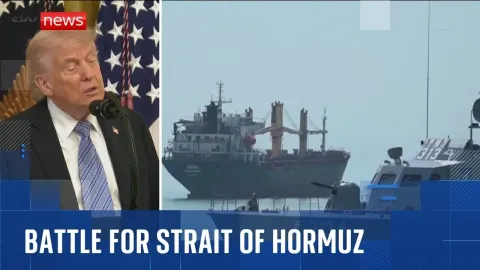
New reporting this morning about a potential peace deal with Iran. Oxios is reporting that the White House believes it is getting close to an agreement on a one-page Memorandum of Understanding to end the war and set a framework for more detailed nuclear negotiations. That's according to two U.S. officials and two other sources briefed on the issue. It comes after President Trump announced a pause on Project Freedom, his plan to guide stranded vessels through the Strait of Hormuz.
The energy markets reacting positively to the prospect of a deal with oil prices falling more than 10 percent at one point this morning. Let's bring in MSNOW contributor Inzamal Rashid in Dubai, former Undersecretary of the Army, Admiral James McPherson, and Joel Rubin, former Deputy Assistant Secretary of State and the author of the new book, Saving Democratic Foreign Policy. Inzamal, break down what we know about this reported memo. Well, Anna, let's be clear. This is an initial kind of PROPOSAL THAT'S COME FROM THE U.S., WORKED UP WITH MEDIATORS PAKISTAN AND IS BEING HANDED OVER TO IRAN.
NOW, I'VE NOT SEEN SPECIFICALLY WHAT'S INSIDE THIS MEMO BUT THERE IS SOME REPORTING FROM But firstly, the Pakistanis have been telling me today, sources within Pakistan who are linked with the mediation, that the prospect of a proposal to end the war is very likely in the coming days. So a sign of positivity. Now, what's inside this specific deal? Well, Axios are saying that there will be a declaration to end the war in the region. This will then start a 30-day period of negotiations on a detailed agreement to open the Strait of Hormuz. This also includes a limitation to Iran's nuclear program, potentially stopping enriching uranium to create a nuclear bomb for around 12 to 15 years.
This will also lift U.S. sanctions on Iran. It will have restrictions on shipping through the Strait of Hormuz, and the U.S. naval blockade would be gradually lifted during that 30-day period. And the U.S. have said that if negotiations collapse, then U.S. forces would be able to restore the blockade or resume military action. And President Trump has come out today and essentially spoken about this in a truth social post. He says that assuming Iran agrees to give what has been agreed to, which is perhaps a big assumption. The already legendary Epic Fury will be at an end.
He said that if they don't agree, the bombing starts and it will be sadly at a much higher level and intensity as it was before. Look, I think this appears to be a positive step for now, but it does have to be received with a lot of caution, Anna, because we've been here before with proposals and with frameworks and then we've gone one step forward and two steps back. I think what is a positive sign is that Pakistan is working incredibly hard behind the scenes with Iran and with the U.S. to get the two signs to the negotiation table.
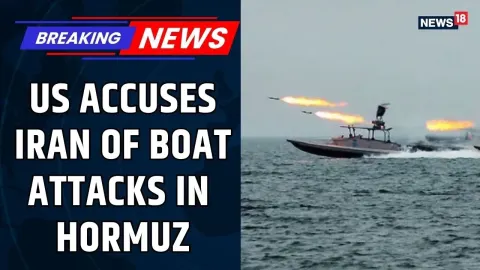
I don't think they'd be doing that if they didn't feel that there was some prospects of a peace deal in the coming days and weeks ahead. You mentioned this has all come after President Trump's pretty remarkable U-turn of ending Project Freedom, which was there to escort vessels through the Strait of Hormuz, U.S. Navy vessels would be escorting ships. That wasn't really all that successful. And today, as a result of the president lifting Project Freedom, the IRGC, the Navy command of the IRGC have kind of given a bit of a gift back to the U.S.
They've essentially said that we could see steps to reopening the Strait of Hormuz fully, which again, I think signals a positive sign that we could be going down the route of diplomacy. Anna. Inzamal Rashid, keep up the great work there in Dubai. Thank you. Admiral, I just want to underscore MSNOW has not confirmed the reporting of this one-page memo, but we do know a Pakistani government official linked with mediating talks as a proposal is very likely in the coming days. How are you looking at this news? Does this sound like a real breakthrough to you?
Well, we've heard. Well, we've heard pronouncements before that we hope to a real breakthroughs and they eventually broke down in the face of reality on. I think we've a tip of the hat to Lewis Carroll. I think we've slipped down the rabbit hole and we've now joined Alice in Wonderland. Two days ago, the Secretary of State announced that Operation Epic Fury was concluded. It's over. Therefore, taking the War Powers Act off the table and now we're involved in Project Freedom, which was soon paused by the president.
Notice the change in wording. We went from an Operation, Epic Fury, to a Project Freedom. Clearly, operations are military in nature. A project can be anything in nature. And I think it's important to note that a one-page memo of understanding compared to the JCPOA-Iran deal under President Obama, which was 159 pages long. What does that tell you about the potential agreement if it's just one WE ARE IN THE SCHIZZOPHRENIC PHASE RIGHT NOW OF OUR IRAN POLICY WHERE EVERY DAY BRINGS A NEW TWIST AND TURN AND YOU KNOW IF WERE TO BELIEVE THAT NOW WE HAVE SOME TYPE
OF FRAMEWORK, SOME TYPE OF LIMITED AGREEMENT THAT THE SIDES ARE FOCUSING ON. THAT IN MANY WAYS DOES MIRROR THE PROCESS FOR THE JCPOA. BEFORE THE JCPOA, THERE WAS A SMALLER SHORT-TERM AGREEMENT THAT SET UP THE FRAMEWORK, CREATED THE TERMS OF NEGOTIATIONS SO BE IT FOR THE PARTIES TO ENGAGE ON AND IT TOOK MONTHS, AND THIS GOES TO WHAT THE ADMIRAL IS SAYING AS WELL WHICH IS FRANKLY IF YOU'RE GOING TO ENGAGE IN THESE NEGOTIATIONS AND YOU ARE GOING TO HAVE TO FIND SOME WAY TO ENSURE THAT THE PRESSURE IS MAINTAINED TO HAVE SUCCESSFUL NEGOTIATIONS. THAT'S WHAT WE DID, THAT'S WHAT WAS DONE BY PRESIDENT OBAMA SANCTIONS WERE NOT LIFTED UNTIL A FULL AGREEMENT WAS REACHED. SO THE BIG QUESTION IS NOT JUST
ABOUT WHAT IS IN THAT ONE-PAGER, BUT ALSO WHAT IS THE WAY TO ENFORCE THAT A NEGOTIATION PROCESS WILL TAKE ROOT. and that it will lead to a sustained solution, and that we won't be stuck in the schizophrenia where every day seems to bring a new twist, a new turn, a new uncertainty about the end state of this war. I want to play what Secretary of State Marco Rubio said yesterday about the U.S. goal. AS PRESIDENT TRUMP HAS SAID AND THE FACTS CLEARLY BEAR OUT, THE UNITED STATES OF AMERICA HOLDS ALL THE There is no scenario here in which if they decide to join a ladder of escalation, they wind up getting the last say. But our preference is for these straits to be opened to the way they're supposed to be open,
back to the way it was anyone can use it, no mines in the water, nobody paying tolls. That's what we have to get back to and that's the goal here. Admiral, what do you make of Rubio saying the goal now is getting this straight back TO THE WAY IT WAS. BACK TO THE WAY IT WAS BEFORE WE ENGAGED IN THESE HOSTILITIES THROUGH OPERATION EPIC FURY. I WISH I COULD BE MORE OPTIMISTIC, BUT I'M skeptical. And the reason is we've always heard the term, the fog of war. Well, the fog of war is no more dense than that in the Persian Gulf.
We've learned that over 40 years of naval engagement in the Persian Gulf. Things happen. And as every sailor knows, that happens quite quickly in naval warfare. So again, I'd like to be optimistic. I'm a little bit skeptical, particularly the first one, end of war in the region. What does Israel have to say about that. I think we're at a wait and see right now, and I hope we see favorably. Joel, the U.S. blockade, as far as we know, continues. But even with the implementation of Project Freedom, Iran had still managed to keep most ships from transiting.
I think officially, we only knew of two ships that went through in that maybe 24 plus hours that the Project Freedom was enacted. Which country has leverage right now in negotiations, Iran or the U.S.? Short answer is both. They're staring at each other. Ultimately, the structure of a deal is going to be one where both sides pull back from their hard positions AND WE'RE LOOKING AT ESSENTIALLY A DEAL OF OPENING THE STRAIGHT OF HOUR MOVES FOR SOME TYPE OF CONSTRAINT ON IRAN'S NUCLEAR PROGRAM, IT'S NUCLEAR ENRICHMENT, MAYBE EVEN EXTRACTING THE HIGHLY ENRIXED URANIUM THAT'S SITTING UNDER GROUND INSIDE OF IRAN, BUT, YOU KNOW, BOTH OF THESE SIDES, US AND IRAN ARE HURTING EACH OTHER RIGHT NOW.
IRAN IS SUFFERING DEEPLY BECAUSE OF OUR BLOCKADE, HUNDREDS OF MILLIONS OF DOLLARS LOST REVENUE DAILY. WE ARE SUFFERING HERE AT HOME WITH PRICES AT THE PUMP. WE HAVE OUR MILITARY IS STUCK IN A SENSE IN LIMBO RIGHT NOW IN THE REGION, WATCHING ON A TROOPS AND SO THIS IS THE MOMENT WHERE THE MOVE MUSIC AS WE'RE HEARING IS STARTING TO CHANGE BECAUSE BOTH SIDES ARE SEEING THAT THERE'S ONLY SO FAR THEY CAN TAKE IT. WE'RE NOT GOING TO GO ON THE GROUND INTO IRAN. WE'RE NOT GOING TO PUT TROOPS THERE AND SEEK REGIME CHANGE. THAT'S CLEARLY OFF THE TABLE. SO NOW WITHIN THE WORLD OF PRACTICAL CHOICES, WHAT IS IT THAT WE CAN SEEK AND WHAT IS IT THAT THE IRANIANS CAN SEEK?
I THINK THAT'S WHY WE'RE HEARING ABOUT THESE TERMS FOCUSING ON HORMUZ IN A TRADE FOR ENRICHMENT.