29:39


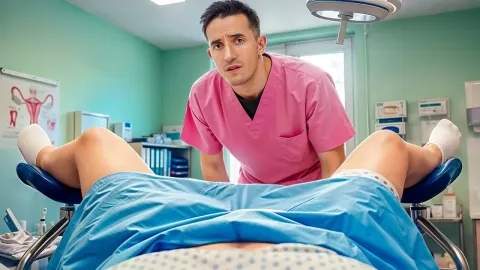
It's a natural part of our lives. I remember when I passed into puberty. I thought that was horrendous. We had to learn how to deal with it. Now we've got to learn how to deal with these new things. Hello and welcome to Instant Genius, a byite-size masterclass in podcast form. I'm Jason Goodger, commissioning editor at BBC Science Focus. In today's episode, we're joined by Dr. SEA Assan, a journalist, emergency medicine doctor and researcher based at the University of Cambridge to talk about the myths surrounding the menopause. So, thank you so much for joining us.
Pleasure. So, today we're talking all about menopause. Yep. So, let's start off with the basics. What exactly are we talking about when we mean menopause? So menopause is a natural biological phase in a woman's life where she comes to the end of the reproductive phase of her life. So essentially that is officially diagnosed when a woman has not had a period for 12 consecutive months and no other medical reason can explain it. Uh and it's essentially the period where um she is no longer reproductively active. Uh her body stops producing eggs and her estrogen levels and progesterone levels which are the female hormones go down.
Yeah. So you mentioned there the lack of ovulation, but what about other common symptoms that accompany menopause? Sure. Gosh. Okay. I'll tell you a little story now. I know in the recent years there's been a lot on menopause in the news. Some huge campaigns by well-known people in the media. Um probably hitting that period of life themselves and going through these strange signs and symptoms uh not recognizing themselves. You know, some impactful changes happening in their lives. So there's been some brilliant work done to bring this subject out into the mainstream. Not that something that women sort of suffer and endure uh in silence on their own and they brought it into the mainstream and it became sort of the talk of the town, the
media, everyone was covering menopause. I was going through some symptoms myself a couple of years ago and I thought, "Oh gosh, I'm exhausted. I feel like I've been, you know, climbed a mountain or something and literally all I've done is just got out of bed and started my day." Um, uh, I was exhausted. I was a bit irritable. I was putting on weight. Um but I think that was probably because I was so tired. I wasn't moving as much as usual. But the main thing was I'd felt like I've been hit by a sledgehammer and I had absolutely no energy whatsoever. So I just assumed, oh that's menopause. I must be permenopausal. And I had the added complication of having a life of polycystic ovary syndrome which meant that my periods
were very irregular and turned up whenever they want um huge long periods of time without actually having um a period itself. So I just assumed what I was going through in the last couple of years was menopause. And I just phoned up my GP and I went, "I've got these symptoms. Can I please have HRT?" Because that was what was being put out there, hormone replacement therapy. It was, you know, women, if you're going through these symptoms, um, and you're at this age, it's probably menopause. You know, you have a right to have HRT and GPS aren't prescribing it enough. make sure you go to speak to them and get on it and it will do you know it was almost being put out as the wonder cure. So I assumed that's what I had and I had
a brilliant GP and it was also at the time when GPS were being slammed quite a bit and doctors being slammed quite a bit for not being proactive enough in treating women with menopause. Um that they weren't just, you know, that there were lots of hoops for women to go through before they could hit HRT. Um, you know, which was leading to some women to sort of seek it online and in other places. But my GP said, "Okay, it could well be, but let's do some bloods. Let's make sure just let's just make sure, you know, let's be a bit thorough about this." Um, and so she did a full set of bloods. Um, and lo and behold, some abnormalities came back. And long story short, turns out I have lupus, right? Yeah.
So, had I not had a GP, and this was two years ago when it there was so much pressure on GPS from the media and from campaigners about HRT and the management of women. my GP could have just on the phone and this was at the time where quite a lot of the consultations were happening over the phone. Um she just said no let's check this out properly and you know if she hadn't I would have had undiagnosed lupus which would have been doing me a lot of harm and untreated lupus um and and I wouldn't have felt any better on HRT because that's not what it was. So I think um what were the symptoms that I was going through as I said I was exhausted that low energy levels full of anxiety as well I became I'm not you
know I'm ex-military I've I've worked in all sorts of places overseas in quite challenging testing uh settings in armed conflict settings um uh lots of um adventure sports, you know, that I've done into climber and all that kind of stuff in my background. But I was now just nervous even getting in a taxi where someone else was driving. I mean, the anxiety levels were just they were crippling. You know, at one point it was just bizarre. I wouldn't even let my partner drive. I had to drive everywhere cuz I just felt this bizarre anxiety of anyone doing any I needed to have control and um it was so debilitating and I was getting um annoyed and irritated with things. The fact that the
periods are even more irregular than ever. People can also get mood swings, sleep problems, unable to sleep. Um I had the opposite. I was I could go to bed for a week. Um but um uh hot flushes, night sweats, we know all about all of that, you know, that's kind of like the you know the landmark symptoms that women have, but I didn't have that. Skin and hair becomes ever so dry. Um and I' I've experienced that myself. So I'm I'm I'm just lucky enough to be having both things at the same time. So anyway, joint aches, headaches, uh poor concentration, this brain fog, and I have it. I do. I it will probably happen during the course of this conversation with you that I'll be on a flow with something and then it will just be
gone and then I'll be like where did it go? It was right there. So brain fog, uh forgetfulness, um mood swings, irritability, low mood, anxiety, um also you know the not so nice things as well, vaginal dryness, um discomfort during sex, um changes in libido. So it is a whole load of things. It's a shopping basket full of not very nice things. And you begin to think, God, where who am I? I don't even know who I am anymore, you know, and you begin to sort of think about who you who you are and who you were and where has that person gone and how do you get them back because they haven't gone anywhere.
You're just dealing with some changes. Um, but I know that I was just going through periods of time where I didn't even recognize myself and that can be really upsetting. So what sort of age range are we talking about? Sure. For this. Okay. So the age range I want to get this right. So um it can happen it can start to happen from as early as 45 and it can go up to 55 or even a bit longer. I know my mom didn't hit full menopause until her late 50s. And then you can have early onset menopause which would be um before 45. Um, and that's called early menopause. But if it happens before the age of 40, it won't be called
menopause. It will be called premature ovarian insufficiency and that's POI. But basically, it means that you're starting on the road to menopause. Doctors will look for other causes as well. So it might take some time before they realize that it is a permenopause where it's for me. I was at the age but they just wanted to check it wasn't something else first and I think that's absolutely right because it did end up being something else for me but um just don't assume it is that some of the other symptoms that you can get and I had them like spikes in blood pressure.
Oh yeah and also palpitations. So obviously very important that those things are checked out not to be something else. So let's have a look at some possible um treatments that we can use. So um you mentioned there earlier uh HRT. So um what exact what exactly is that? So HRT is hormone replacement therapy. The permenopause I've mentioned that is the transition phase that leads up to menopause. Um and you'll still be getting periods during this time. Um, and remember the menopause is when you've had 12 months of none. Um, so per menopause, you'll still be having periods. They won't be regular, but they'll still come. They'll surprise you out of the blue when you're least expecting them. So, yeah, it can be a
bit annoying, and it can last several years. So, it's during this period um that your female hormones, estrogen and progesterone, are declining. And these are, you know, the these hormones are quite essential for our function, our you know, our body. Um, and they're really important for things like bone health. They also are reasons as to why we get some of those awful symptoms. So, um, HRT helps to, uh, dampen some of those symptoms and help you to be you again almost as well. Um and you there are different types of HRT. So where that can be estrogen only or progesterone only or combined or you'll take one form but you'll also take the other form as well. Um they've been uh as in estrogen but with
progesterone as well. So, and um there's a whole load of types and ways that they are delivered into your body. Yeah. Whether tablets or gels or even peseries uh that you insert vaginally, you know, all sorts of things. It's really important to discuss this with your GP. Um, and a bit like the contraceptive pill, uh, different forms of the pill work better with different people. One type might suit you better than another. So, it's really important to go through this journey of HRT, you closely with your GP to see how you're doing on it. Um, because it's a medication, people can get side effects. there's some um estrogen based uh HRT that can cause uh thickening of the womb lining and that
is um a risk factor for cancer. So the way that the GP will can counter that is to give progesterone as well which reduces that risk. I remember being a medical student and we were learning about HRT and the risks and I still remember the notes that I made and I remember being quite confused and a little bit alarmed at the time thinking quakey women are kind of screwed because they go through this awful thing called menopause. It sounds horrendous and then when you try to um help them with it with hormone replacement therapy that's designed to sort of give you something worse. That's what I thought at the time as a medical student in Krikey. You know, your choices are going through all
those awful symptoms or getting cancer. But um what I think what are the what was what we now know that some of those earlier studies about the cancer risks of HRT were quite old studies now and not relied on in the same way that you know me as a medical student was told you know it's a balancing act between having hormone replacements therapy for a woman or her being given it and then having a really high risk of getting cancer. And this is why it's really important to go through everything with your GP when you're going on this journey because if you have a family history, a close family history of breast cancer, um, or you yourself have had breast cancer, um, you may not be a candidate
for HRT, especially if you have had breast cancer because there are some studies that show that there has been, you know, a link with HRT and breast cancer particular if you're already predisposed to it or have had it. So, how about sort of lifestyle factors that um yeah, women can take to manage some of these symptoms I think. So there are some things like you know weight loss um really helps being active uh doing the things you know remember the things that you liked to do just because you were a bit low of energy and you think oh I really can't be bothered actually if you fight that little bit harder and do those things it will help the benefits of HRT of hormone replacement therapy usually outweigh the risks Um, and recent
evidence says that the risks of serious side effects of HRT are very low, right? So, if you've had blood clots before in the past, um, it's not to say you can't take HRT, but you've just got to be mindful of them. Um, again, working closely with your GP, knowing what the symptoms of a blood clot might be, whether you get them in your legs or whether you get them in your lungs. Being told what the risks are, and then being able to make an informed decision yourself as a female patient, I think it's really important. you know, I would tell everyone I, you know, patient, you know, these are the risks,
these are the benefits. Um, these are the risks of not taking HRT if you're going through menopause because, you know, you're losing bone density, there's other things happening, it's impacting your life. So, there are other negative things happening in your life. Um, and these are the benefits of HRT, but again, it comes with some risks, we believe, because of studies. um cardiovascular risks, um blood clot risks, or even small risks of cancer. But then you balance and you decide. Absolutely. Um and you can make an informed decision. And it doesn't mean if you go on it, you're on it forever. You can come back off it if it's not working for you. Yeah.
We've talked about an awful lot there. So, do you have any sort of closing thoughts? um things that you'd like to say about someone listening who perhaps is thinking they're going through the menopause or the permenop menopause and you know maybe having a bit of a hard time. Yeah, it's a natural part of our lives. It's just another stage. Um and I'm saying that you know it's just another stage. It's a hard stage and but then again I remember when I passed into puberty I thought that was horrendous. I was like I don't want the periods. I you know I thought my god I'm going to be lumbered with this for the rest of my life. That wasn't easy. you know, going through that was horrible. I for me, and you know, it's not the most
easiest experience for us when we're when we hit puberty uh for women. Um, and I'm not going to talk about men because men have their own challenges. And then you go through the middly bit where you get used to it and now we're at the other end of it where we're saying goodbye to them. And I think it's it's just about embracing the fact that this is just another part of the journey. It's just another it's not worse or better. It's just different section of it. You know, it's different section of the journey. And it comes with a few bits and pieces that we need to deal with. you know, we had to learn how to care for ourselves during periods, whether it was tampons or
sanitary towels or learning how to wear a bra or, you know, dealing with that horrendous cramps, all of that kind of thing. We had to learn how to deal with it and we did and we came through it and now we've got to learn how to deal with these new things that are coming along. And again, women have been going through this since time began. I have actually gained quite a lot of comfort through speaking to friends who are also going through it and I get motivated by them. I hear how they're doing things and what they're embracing. So speak to your friends, speak to family. Um let's talk about it more.
Not suffer in silence. Talk about it with your partner. I'm really open with my partner. I said to him the other day, "Oh, I've got my period again." He went, "Are you still getting them? I thought I you know what I was really surprised that he even knew what it was. I thought, "Oh, you have been paying attention. Women's things and women, you know, what we go through is not his forte." You know, he's a sort of, you know, very um upright sort of conservative North African man. And I thought, Quacky, you know about, you know, you know what I'm going through and you know that the periods will stop. So, I was really impressed. So, talk
about it. talk about it with your partner. Um, and talk about it with your peers. Um, and your friends because, you know, everyone will have a different approach to it. Um, I've got my friend and she's, you know, she's at she's going out there. I'm I'm ex-military. I've got lots of ex-military friends. When she's going out and doing a big long huge walk, it kind of rubs off on me as well because I think, "Oh, yeah. I want to go and do that, too." But if you are getting unusual symptoms that are not you, don't just assume it's menopause. Don't just assume. It's so important. If your blood pressure is spiking high, if your energy
levels are just nowhere near where they used to be, absolutely go and get things checked out by your GP because it's a we call it a differential diagnosis. It's one of a few things it could be. Let's make sure it's not something else. And that's the definition of pmenopause and menopause 12 consecutive periods um and all the symptoms that go with it. Um where there's no other medical reason for it. Don't self diagnose. Yes, this isn't something to self diagnose. If you're going through some symptoms that you're not sure of what they are, you think that it might be menopause or permenopause, um definitely start the journey with your GP. Um,
there's plenty of literature out there as well online. Have a read. H, have an informed conversation with your GP. Be open the fact that you think it's menopause. Um, like I did. I'm really grateful that uh, menopause is out there in public discourse and discussion. Um, I found it so helpful. I think that we're better informed. Um, and in turn we will be able to help those that are coming next. So, Dr. Still, thanks so much for joining us. Thank you for having me. I've loved it. Me, too. Thank you for watching this episode of Instant Genius, brought to you from the team behind BBC Science Focus. That was Dr. SA Assan. If you liked what you just watched, then please
do consider liking and subscribing.