56:34
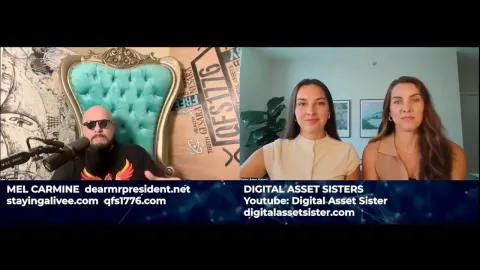


Taylor Swift has filed three new trademark applications on her voice and image. The move is an apparent attempt to protect the Grammyinning artist from the threats of AI. I'm Maggie McGrath, editor of Forbes Women. And joining us to discuss this topic and this development is Cynthia Katz. She is music partner at Fox Rothschild in New York. Cynthia, thanks so much for joining us. This is really a fascinating news story here. Hi, thanks for having me. Great to be here. Um, yeah, it's it's um certainly an interesting development and strategy and I think a good um, you know, PR move as well. Um, and maybe can help some other artists in the space. Um, so
it's exciting, um, you know, to see this development. Uh, I think it's it's positive. Let's talk about exactly what the trademark applications reference because obviously Taylor Swift has a large volume of work behind her, but these applications are for specifically the lines, "Hi, I'm Taylor or Hi, I'm Taylor Swift and then a photo from the ERS tour." What do you see as the strategy behind filing trademark applications on these three specific things? Sure. So, this is slightly different from um what we've been seeing um in terms of looking to stop using your music to train AI to create AI generated tracks. That's something solely separate and dealt with um in copyright law. Um
and right of publicity, which is typically um what you look at to protect name, image, likeness um and your sort of persona. Um, in the United States, at least currently, we have no federal statute. Um, it's it's kind of a patchwork of various different state remedies and, um, it can be a little bit complex and complicated in and not as straightforward and in terms of um, you know, what your recovery is going to be and um, what the avenue to uh, getting the result that you want through through that. So, um this was sort of an interesting development to look at what can we add to our arsenal of tools to help us here and maybe it is more targeted at um sort of the deep fakes or um the false endorsements rather than um
protecting the music. And for celebrities in particular, um, you know, they have the potential to make these videos that look like they are, um, involved with certain, whether it be political or, you know, a product or service and that they're endorsing. Um, and as we've even seen in the last week, I think chat, uh, GPT and some of the other AIs came out with these new, um, programs that help you manipulate photos and do a lot of really cool stuff. Um, but that has a lot of potential. uh to be, you know, for people to start making character with celebrities. So, it's an interesting tactic um because trademark law uh is typically not what you use here, but um because of the LAN Act and the federal um
protections that we have and some of the steeper penalties, um it's an interesting strategy. I was going to ask why trademark and not copyright and I'm sure that gets into what could potentially be a PhD level course, but in layman's terms, is there a reason that her team would have gone the trademark application route here versus copyright? Sure. So, they're two sort of totally separate um regimes. Um trademark is really actually it's a source indicator. So, and it's actually designed to protect the public from uh consumer confusion. you know that um it's supposed to act as a mark so that somebody who sees it knows oh this is legitimate this is real this is endorsed I can trace back to who is making this product or service um copyright is
really to um incentivize creativity and to make sure that we're sort of rewarding the um the embodiment of um creative expression. Um, so I mean I think what we're trying to do here um is really um protect against people thinking that Taylor's involved with something that she is not um and manipulating um the image rather or a catchphrase rather than um you know protecting the music. That's sort of a separate thing. Um and traditionally trademark is words and logos as well. you know, you don't think of it as um sounds or um images like someone's face, but uh they certainly can be in the celebrity context because here um for example, which people have pulled up, I think a number of have referred to, you know, Matthew McConna is all right. All
right. You know, these sort of iconic phrases that um are associated with particular celebrities. I think going back to one of the um original cases in the space was Vanna, they had a toy with um Vanna White and she or Vanna White looking character um you know flipping various tiles and um they're just certain images uh and sounds um that stick in our minds and um remind us of particular celebrities and things that they're involved with. Taylor in particular had, I believe, has a whole line of products and services that she, you know, you could go to a Target or, you know, Walmart and toys and get, you know, and all kinds of other things outside of her music. Um so
I think this is sort of um broader in that respect that it is protecting against um false endorsements um and tarnishing her brand um which is a little bit bigger than um just the music. And also um you know it helps set a signal as well because there are some strong penalties here and it's federal and it's you know we have um potential you know more tools in our arsenal if we're sending cease and desist letters or we're going after people trying to you know manipulate her images um rather than relying on sort of um a patchwork of right of publicity loss. So, um, let's use a hypothetical, a very benign hypothetical example. If someone were to use chat GPT to make someone saying, "Hi, I'm Taylor Swift and I endorse the
Hershey company. I love Hershey chocolate." And they were to completely use AI to make her saying that. what is her legal recourse or what are what is her team's legal recourse considering that part of what that AI fake Hershey endorsement was saying was part of the trademark application. Sure. So, I mean, there would be um a number of claims that they could make under the lamb act um that this is violating her rights that she's, you know, trademarked um the phrase and her particular image depending on, you know, if that was the image that they used or something substantially similar um and that they were, you know, implying a false endorsement um and perhaps tarnishing her brand as well. there
there's a number of them and there's um some pretty severe statutory penalties um and that could be um across you know the country as well which is you know wouldn't matter where the infringement is occurring um so you know there's some pretty uh strong protection there you know in sending a cease and desist letter which would be the first line um and then that is you know um well I think anyone would be scared if they got a cease and desist from Taylor Swift and her team. But um certainly, you know, quoting larger penalties and potential damages and adding to um potential, you know, claims uh would probably have even further um strength in um getting someone to stop what they are doing and also deter them from
doing it again. Which kind of brings me back to my earlier point that um I think this helps the whole um sort of industry uh and celebrities I guess across the board in general because it sort of uh puts it out there that um you know there were already some existing protections but this is a clear signal particularly with the press that it's getting that you know they're not going to stand for this that this is going to be you know that um looking for avenues and well equipped and armed uh with legal strategies to protect themselves here. Um so that it should hopefully help deter you know um anyone potentially out there looking to kind of um make use of celebrities name image likeness without their consent.
I think the natural follow-up question Cynthia is therefore should every public person file a trademark application for them saying their name or introducing their identity? Well, I think a lot of them wish they could. Um, and if they can, they'll have to talk to their legal counsel and see if they can. But, um, at its core, trademark is based in use. So, you're going to have to show in order to succeed, you're going to have to show evidence that you actually have been using this mark in commerce uh, as a source indicator. So, you're going to have to have, you know, evidence that you have gone out there and sold products or services um using that
specific sound clip or specific image as a source indicator. For Taylor, I think it's fairly easy. Like I said, she has a, you know, a whole brand out there with products and websites and things where I'm sure um she does have evidence that she can submit showing her, you know, selling something um you know, whether it be a toy or a shirt or some other, you know, something on a website merchandise that she can point to with those images um and those indicating that they clearly uh originated from official Taylor Swift, Not every celebrity is going to have that. Um, you know, some celebrities um do not uh are not as big brands um and they don't, you know, really have that. Just the fact that you exist um is not going to be enough
because the statute is actually designed uh like I said to protect the consumers from con confusion as to the source. So, it requires some evidence that um when consumers see this, they automatically know what's official kind of and what's not um and to sort of help them. But to the extent that um celebrities, which a lot of celebrities beyond Taylor are brands and do have um you know products and services, it may be unique to each one of them what the right um tool is. But I would suggest that you should always look to protect any and all IP that you might have um and you know sort of vigorously enforce your a IP rights um to the fullest extent that you can. So I think a lot of celebrities
should look at this um as a possibility. And then for those who are maybe not in the position, you know, they don't have um as strong branding, what some of the celebrities that do are doing will help them because it will trickle down in terms of, you know, sort of teaching the public in a way what's acceptable and what's not. Well, part of the reason I said public persona is here at Forbes, we have a lot of founders and CEOs who read our work, who watch our segments here on Forbes TV. And so I'm thinking about some of those CEOs who are on earnings calls, who go on and talk to us, who go on their own social accounts to give company updates. And the threat of AI is such that, you know, someone
could generate an image of a CEO of a multi-billion dollar company and potentially say something false that moves the market, which is probably a little separate issue from what Taylor Swift can do when she speaks, but nonetheless, there's a big effect here. What's your sense of how savvy everyone is in terms of whether we're talking celebrities or CEOs or founders of the tools available to them to protect against AI as it exists right now? Because of course the technology is developing incredibly quickly. I feel like every quarter we're talking about new technological developments that didn't exist the quarter before. Is the legal system keeping up?
Uh I think we are certainly behind the ball a little bit. Um, and I think uh it's always with new technology a little bit of a um a chicken before the egg kind of problem that we do need some more um I think robust tools um in our belt to help um protect against unwanted use of name like this like for example I do think you know federal right of publicity things like that we need um some better parameters you know from court cases if it's not going to be statutory to kind of outline um the parameters s of what can be done in the name of creative expression and what is a violation of someone's rights. At the same time as technologies emerge we always have institutions that you
know if you act too fast um you make the wrong decision. You know you have to sort of see how the technology is ultimately being used with the kind of um idea not to put roadblocks where we don't need them. Um so and to be mindful of perhaps unintended consequences. So it's always um which you know our legal system is interesting because um it is reactionary in a way but I think there's some really good aspects of that um while we see how AI develops and we allow the courts rather than perhaps you know trying to write a statute before we even know where we're going to be. Um so to see how it plays out and what happens. But in the interim, I would certainly advise everybody who is a public persona to consult with an attorney and look at
what their potential um avenues of protection are and to be proactive. I mean that is going to be key um in you know making sure that you have all of the um tools that currently exist available to you. Um and then obviously each unique situation of a offensive or infringing um use is going to have a different set of um what's our best angle here? Um where they're going to be a combination of right of publicity claims. Now we're looking at trademark as something else, copyright is something else. You know, um everything that we can have the better. um because it's it's going to battle out for a little bit, but uh a proactive approach of consulting within with a lawyer if you're a public persona is certainly advisable.
Cynthia, we've covered a lot of ground, but is there anything else the Forbes audience should know or understand about what Taylor Swift's move in these trademark applications means for how artists in general are protecting themselves against threats of AI? Sure. So uh one thing to note uh in particular is um the a little bit better education on the uh function of copyright versus uh trademark versus right of publicity and for anyone who is in the public eye to kind of do a little bit of homework and maybe consult with a lawyer and understand where their rights lie um so that they can be proactive in policing this space. as you say, it's changing every single day and the tools for um that can be used for good and for
bad are increasing every day. Um where we have new ability to kind of manipulate um brands and name image likeness for consumers to be a little bit more savvy as well. um understanding that you know um there are some really valuable uh IP rights underlying here and they should be careful in terms of you know there's an eagerness to and maybe in good faith but to start using these tools to play around with images of whether it be things that they're fans of or things they want to comment on you know just to be careful there um and I think you know it's an important signal to the market that um you uh celebrities and public people have very important brands and um reputations to protect and you know they're
they're going to look to the legal system to support them and I imagine we're going to see some interesting legal developments over the next you know year or so as AI develops. So it's exciting area. It will be very interesting to follow. Cynthia Katz, thank you so much for joining us. We so appreciate your time and your insights. My pleasure.